car protection that adapts to roads, weather, and budgets
What it really means
Think in layers, not miracles. No single product shields everything; combinations reduce risk and hassle. The right mix changes with season, mileage, and where you park.
Prevent damage: coatings, films, habits, and storage.
Reduce impact: security layers and smart parking choices.
Recover fast: insurance fit, records, and tools ready to go.
Your risk map
Start by plotting everyday exposure. This is an evaluation exercise, not a shopping list.
Parking: street, garage, carport, or driveway; tree sap and bird zones; foot traffic at night.
Driving: highways with debris, gravel roads, tight urban bumps.
Theft profile: local theft rates, parts-in-demand, keyless entry exposure.
Budget and time: what you can maintain without resentment.
Exterior surfaces
Paint is a wear layer. Preserve it and the car looks newer for longer.
Wash rhythm: gentle pre-rinse, pH-neutral soap, separate mitts for paint and wheels.
Sealant or wax: affordable, reapply every few months; good hydrophobics, moderate durability.
Ceramic coating: longer-lasting beading and easier washing; not a force field against rock chips.
Paint protection film: best for impact-prone zones (bumper, hood edge, mirrors); higher cost, strong chip resistance.
Mud flaps and rock guards: simple chip reduction, especially on wide tires.
Touch-up paint: seal chips early to block corrosion.
Glass and lighting
Clarity is safety. Small chips become big cracks fast.
Keep fresh wiper blades; dirty blades scratch.
Apply water-repellent to windshield and mirrors for storm days.
Fix chips quickly; many insurers waive deductibles for repairs.
Use headlight film or a mild sealant; cloudy lenses cut visibility.
Interior care
Comfort + resale value come from small habits.
All-weather mats and a cargo liner catch grit and spills.
UV tint where legal; cuts heat and fading.
Seat covers for work gear or pets; remove and wash, not the seats.
Cabin filter on schedule; less dust, better HVAC longevity.
Parking and covers
Still air beats harsh weather, but any improvement helps.
Garage or carport: best overall protection; add a dehumidifier in damp climates.
Outdoor cover: choose a breathable, well-fitted type. A heavy cover feels safer at first; small correction - thicker isn't always better if it traps moisture and rubs grit.
Windshield and hood pads: quick hail buffers you can stash behind the seat.
Theft and vandalism layers
Stack visible deterrents with invisible blocks.
Habits: no bags in sight, park under lights, wheels straight, windows up.
Roadside: compare insurer vs auto club vs credit card benefits.
Keep photos, receipts, and a maintenance log for claims and resale.
A quick real-world moment
Parking at a grocery lot as a hail alert buzzes, a driver pulls a compact windshield pad and a soft moving blanket from the trunk, shields the glass and hood in under a minute, and angles the car beside a taller SUV to break wind-driven impact. Ten minutes later, the storm passes and the car leaves unscathed.
Budget mixes that still protect
Minimal, high-return: all-weather mats, two-bucket wash kit, windshield repellent, steering lock, and a basic dash cam.
Balanced daily driver: sealant, mud flaps, chip touch-ups, dual-channel dash cam with parking mode, glass add-on, and an OBD lock.
High-value keeper: PPF on front impact zones, ceramic on the rest, controlled storage humidity, comprehensive with low glass deductible, and a discreet tracker.
Simple decision path
List top three risks by likelihood and cost.
Pick one protective action per risk.
Set a 90-day check-in to adjust what's not pulling its weight.
Common myths to skip
"Ceramic makes paint scratch-proof." It doesn't; it helps with washing and UV, not rocks.
"Any shade is good shade." Tree sap and acorns say otherwise; choose clean, lit areas.
"Idling warms the car best." Gentle driving warms faster and protects components.
Good car protection is flexible. Evaluate, layer lightly, observe results, and revise. If a step becomes a chore, swap it for something you'll actually do.
https://carshield.com/protection-plans/
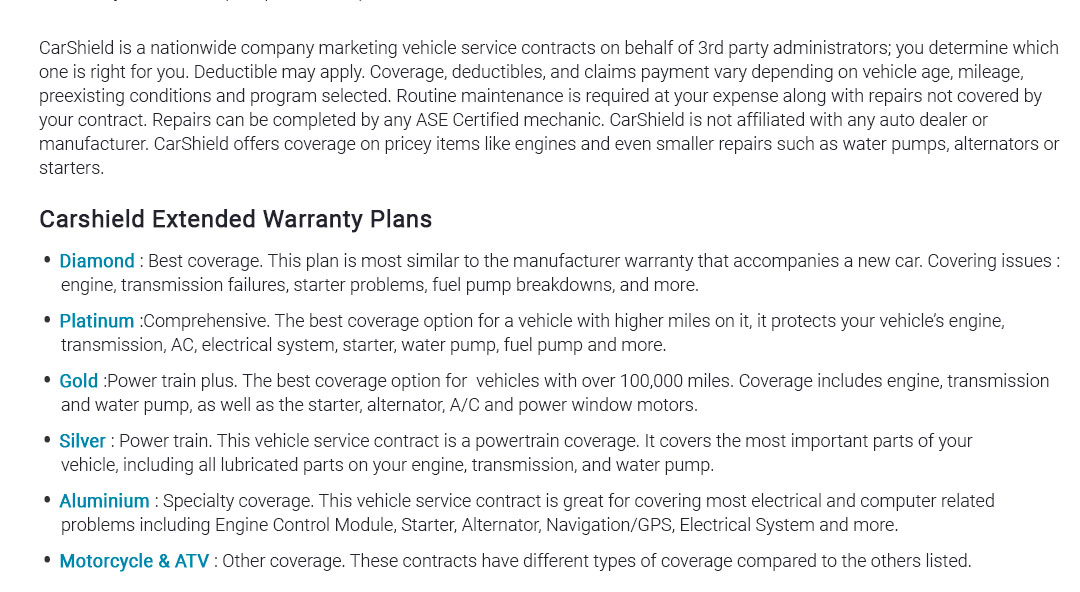
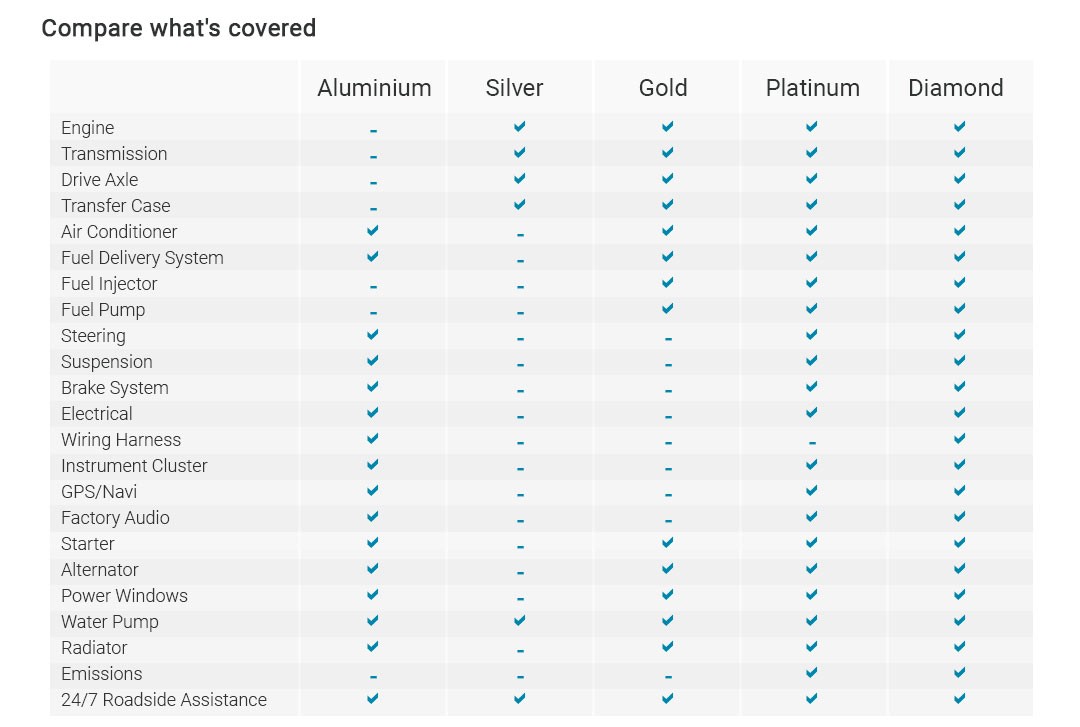
This vehicle service contract is great for vehicles with over 100,000 miles. Coverage includes the engine, transmission, and water pump, as well as the starter, ...
https://www.carsprotectionplus.com/
CARS Protection is a fully insured vehicle service contract provider with nearly 20 years in the industry. We have made it our priority to serve our customers ...